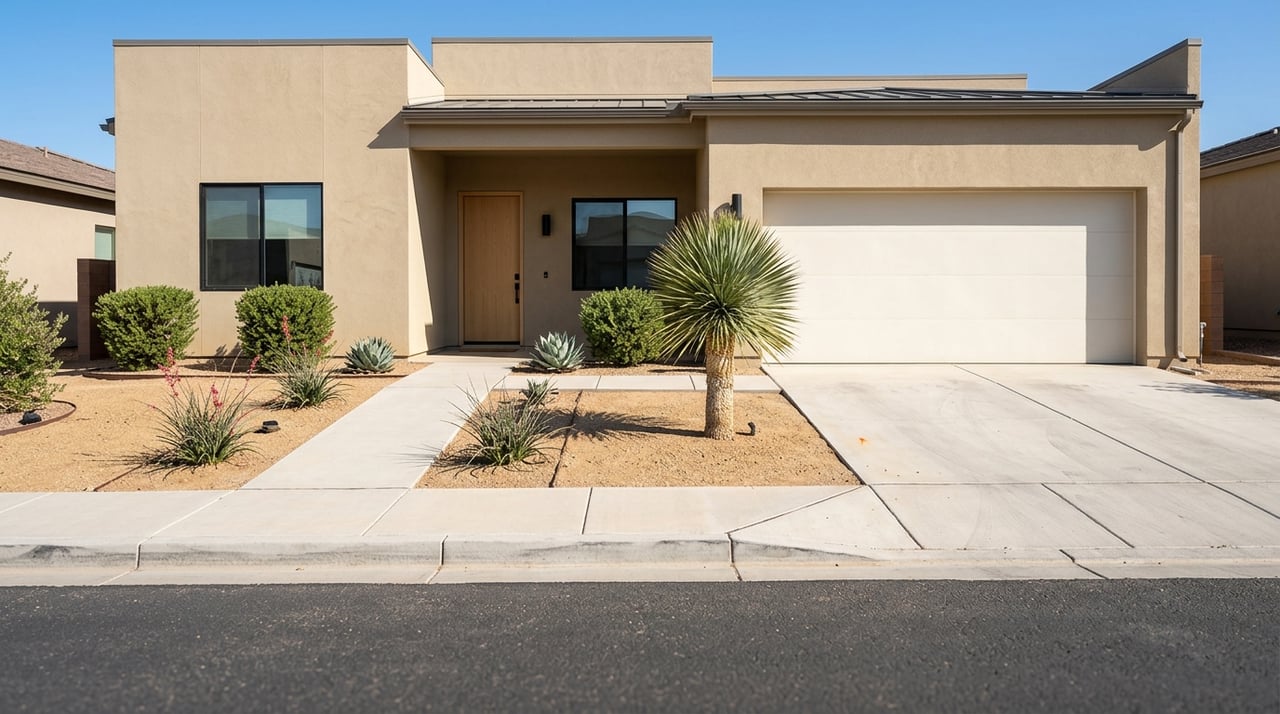
If you are thinking about buying new construction in Skye Canyon, you are probably weighing more than just floor plans and finishes. You want to know what life looks like there, how the builder process works, and how to avoid surprises on price, timing, and inspections. This guide will help you understand what to expect so you can make a more confident move in northwest Las Vegas. Let’s dive in.
Why Skye Canyon Draws New-Home Buyers
Skye Canyon is a 1,000-acre master-planned community in northwest Las Vegas near U.S. Highway 95 and Skye Canyon Park Drive. The community is planned for about 6,500 homes and includes parks, trails, bike lanes, Skye Center, Skye Fitness, and retail and restaurant space anchored by Smith’s Marketplace.
For many buyers, that package is the main appeal. You are not just buying a house. You are buying into a newer planned community with built-in amenities, outdoor spaces, and neighborhood programming that can feel very different from buying a resale home in another part of Las Vegas.
It is also important to know that Skye Canyon does not sell vacant lots. In practical terms, that means your options are generally builder homes or townhomes rather than buying land first and building later.
What New Construction Looks Like in Skye Canyon
Current options in Skye Canyon include neighborhoods by Toll Brothers, Century Communities, and LGI Homes. Based on the current community map dated December 22, 2025, active neighborhoods include Paloma by Toll Brothers and several Century Communities neighborhoods at Skyeview, including Eaglepointe, Mesa, Terra, Sierra, and Arroyo. The community site also promotes Topaz by LGI Homes as LGI’s first community in Skye Canyon.
Price points on the current map start in the high $300s and move into the mid $500s and above, depending on the neighborhood and home type. Size ranges run from about 1,256 square feet to 2,900 square feet, which gives you a fairly broad spread if you are comparing entry-level townhome options to larger single-family homes.
That variety matters because Skye Canyon is not a one-size-fits-all community. You may be choosing between a townhome and a detached home, one story or two stories, or a simpler layout versus a plan with a loft, den, or larger primary suite.
Current Home Types to Expect
Century Communities says it offers four neighborhoods in Skye Canyon and regularly releases quick move-in homes that are already under construction or complete. Its lineup includes townhomes plus one- and two-story homes, with flexible floor plans and options that may include lofts, dens, and larger primary suites.
Toll Brothers’ Paloma sits on the more luxury-leaning side of the current mix. Those homes are contemporary two-story designs, with current map pricing starting in the mid $500s and sizes ranging from about 2,263 to 2,900 square feet.
LGI Homes’ Topaz offers two-story townhomes from about 1,256 to 1,665 square feet. The promoted features include 3-bedroom layouts, 2.5 baths, an upstairs loft, quartz countertops, 42-inch cabinetry, luxury vinyl plank flooring, 9-foot ceilings, a two-car garage, and CompleteHome Plus upgrades included.
Understand the Real Price, Not Just the Base Price
One of the biggest mistakes buyers make with new construction is focusing only on the advertised starting price. In Skye Canyon, final pricing can vary based on the floor plan, lot, and design-center selections. That means the base price may not reflect what you actually spend.
You will want to look at the full picture, including:
- Base price
- Lot premium
- Structural options
- Finish upgrades
- HOA or master association costs
- Closing costs
- Interest rate and monthly payment
This is especially important in a master-planned community where the monthly cost can shift based on several moving parts. A home that looks more expensive at first glance may end up more competitive if the builder is offering meaningful incentives.
Ask About Builder Incentives
Builders across the market have been using incentives such as mortgage-rate buydowns, closing-cost assistance, and price reductions to attract buyers. Those incentives can materially change the effective cost of the home compared with a resale property.
That is why it helps to compare the total monthly payment and your total cash needed to close, not just the list price on a sign or website. A careful side-by-side comparison can tell a very different story.
How the New-Construction Process Works
Buying new construction is different from buying a resale home. You are often making choices from a model home, a floor plan, and a builder contract rather than walking through a previously occupied property and writing a standard resale offer.
The process can also involve a longer timeline, builder-specific documents, and deposits that work differently than a typical resale transaction. If you have only bought resale before, that learning curve can feel bigger than expected.
A Simple Step-by-Step View
Here is what the process usually looks like:
- Get pre-approved and compare lenders.
- Visit communities and model homes.
- Decide between a to-be-built home and a quick move-in home.
- Review pricing, lot premiums, upgrades, and incentives.
- Understand the builder deposit and refund terms.
- Review the builder contract carefully.
- Track construction milestones if the home is not complete.
- Schedule inspections.
- Complete your final walk-through and closing.
The Consumer Financial Protection Bureau says you do not have to use the builder’s affiliated lender. You can shop around and compare options, which is often worth doing before you commit.
The CFPB also advises buyers to ask exactly under what conditions a builder deposit can be returned. That question matters a lot if you are choosing a home that has not been completed yet.
Why Bringing Your Own Agent Matters
When you walk into a model home, the on-site sales representative works on the builder’s side of the transaction. That does not mean the visit is a problem. It simply means you should understand who represents whom.
Your buyer’s agent is there to represent your interests, help you evaluate options, and keep the process clear from contract to closing. That is normal in new construction. In fact, NAR reports that 63% of new-home buyers used a real estate agent.
For many buyers, that support is especially useful when comparing quick move-in inventory, builder incentives, financing choices, contract terms, inspections, and the true cost of upgrades. In a community with multiple builders and product types, it helps to have someone focused on your side of the decision.
Quick Move-In vs. To-Be-Built Homes
One of the first decisions you may face in Skye Canyon is whether to buy a quick move-in home or start with a home that is still to be built. Each option has tradeoffs.
A quick move-in home can shorten your timeline because it may already be under construction or complete. That can be a strong fit if you are relocating, working around a lease, or trying to line up the sale of your current home.
A to-be-built home may give you more say in lot choice, structural options, and finishes, depending on the builder and construction stage. The tradeoff is usually time, and in many markets new-home construction can stretch for months.
| Option | Best For | Main Advantage | Main Tradeoff |
|---|---|---|---|
| Quick move-in | Buyers who need a faster closing | Shorter timeline | Less personalization |
| To-be-built | Buyers who want more customization | More choice in selections | Longer timeline |
Inspections Still Matter on a Brand-New Home
It is easy to assume a brand-new home does not need an inspection, but that is not the safest approach. Inspections are still important with new construction.
NAR recommends considering phase inspections during construction, including after the foundation is poured, before drywall goes up, and again at the final punch-out stage. Those checkpoints can help identify issues before they become harder to spot.
There is also a warranty angle to think about. NAR notes that a one-year warranty is common, and another inspection around the 10- to 11-month mark can help you document items before that initial warranty period ends.
Review the Warranty Carefully
Builder warranties can cover workmanship and materials on specific components, but coverage varies. The claims process may also require written claims, mediation, or arbitration depending on the warranty terms.
Before you close, ask what is covered, for how long, and what steps are required if you need service after move-in. Clear expectations now can save frustration later.
Skye Canyon vs. Resale Homes
If you are comparing Skye Canyon with resale homes in other parts of Las Vegas, the decision often comes down to priorities. New construction can offer newer systems, builder warranties, and a planned amenity package. Resale may offer a quicker closing, established landscaping, and a wider range of neighborhood-by-neighborhood comparisons.
Neither option is automatically better. It depends on whether you value customization, newer construction, and community amenities more than speed, mature surroundings, or the ability to compare a larger number of existing homes.
In Skye Canyon, that comparison is especially important because the community lifestyle is a big part of the value. If parks, trails, fitness amenities, and a newer master-planned setting are high on your list, the premium for new construction may make sense for you.
Practical Questions to Ask Before You Buy
Before you move forward, make sure you have clear answers to these questions:
- Is this home quick move-in or to-be-built?
- What is included in the base price?
- What upgrades are included, and which cost extra?
- Is there a lot premium?
- What incentives are available right now?
- What are the deposit terms, and when is the deposit refundable?
- Can the contract be contingent on financing and a satisfactory inspection?
- What amenities require registration or separate access steps?
- What does the builder warranty cover?
In Skye Canyon specifically, residents must register through Skye Fitness to obtain a Skye Pass before using amenities. That is a small detail, but it is the kind of community-specific information that helps you know what to expect after closing.
If you want a clear, local perspective on builder options, pricing tradeoffs, and how Skye Canyon compares with other northwest Las Vegas choices, Robert Plummer can help you sort through the details and move forward with confidence.
FAQs
What types of new homes are available in Skye Canyon?
- Skye Canyon currently includes a mix of townhomes and single-family homes from builders including Century Communities, Toll Brothers, and LGI Homes, with sizes ranging from about 1,256 to 2,900 square feet.
What is the price range for new construction in Skye Canyon?
- Based on the current community map dated December 22, 2025, advertised starting prices run from the high $300s to the mid $500s and above, depending on the neighborhood, home type, and size.
Should you use your own agent when buying new construction in Skye Canyon?
- Yes. The builder’s on-site sales team represents the builder, while your buyer’s agent represents your interests and can help you compare contracts, incentives, inspections, and overall cost.
Are inspections important for a new-construction home in Skye Canyon?
- Yes. New homes can still benefit from phase inspections during construction and a final inspection, plus another inspection near the 10- to 11-month mark if the home includes a typical one-year builder warranty.
Can you buy a vacant lot and build later in Skye Canyon?
- No. The official community information states that Skye Canyon does not sell vacant lots, so buyers generally choose from builder homes or townhomes.
What is the difference between quick move-in and to-be-built homes in Skye Canyon?
- Quick move-in homes are already under construction or complete and usually close faster, while to-be-built homes may offer more personalization but often come with a longer timeline.
